
Chess board 4 uses in the royal court: a historical code interwoven with power and chess skills.

I. The Origin and Role of the Chess Board in the Royal Court
Chess originated in 6th-century India, where it was called “Chatulanga.” It then spread to Persia, evolving into “Shatlanz,” and subsequently to Europe via the Arab world. In Europe, chess was not only a form of entertainment but also a significant symbol of royal court culture. As the core of the entire chess system, the chessboard ‘s significance has long transcended its simple function as a game, becoming a multi-dimensional platform for displaying power, political symbolism, educational tools, and diplomatic leverage.
In early courts, the materials and craftsmanship of chess boards often represented the royal family’s status and economic power. Chess boards made of rare woods, ivory, inlaid with gold and silver, or even decorated with gemstones not only reflected the court’s aesthetic and craftsmanship but also became part of the symbol of monarchical power. Royal members demonstrated their wisdom and strategic abilities through chess games, while also subtly cultivating their understanding of power structures and political maneuvering. Thus, chess boards became an important tool in daily court life, education and training, and diplomatic activities, and their usage and scenarios are clearly recorded in historical documents and court paintings.

II. The chess board as a symbol of power in the palace
During the Middle Ages and Renaissance, the chessboard was a significant symbol of royal power. The layout and pieces were imbued with symbolic meaning: the king and queen represented monarchical authority, the castle symbolized defense and territory, the knight embodied chivalry and military strategy, and the pawns represented commoners and tactical attrition. Through the unfolding of the game, members of the royal family demonstrated their understanding and control of the power structure. This symbolic game not only flourished within the court but also influenced court etiquette and aristocratic culture.
The symbolic use of chessboards in the court was also evident in official ceremonies and celebrations. Some royal families would display luxurious chessboards during major holidays or diplomatic receptions , showcasing wisdom and strategy through interactive games, thereby reinforcing the legitimacy of their rule on political and cultural levels. Each move on the chess board was not merely a game, but a rehearsal of strategic thinking, judgment, and the symbolism of power. This cultural significance elevated the chessboard beyond a mere entertainment tool, making it a symbol of royal power and an epitome of political culture.
III. The Role of Chess Boards in Court Education and Intellectual Development
Beyond symbolizing power, the chess board was also an important educational tool in royal courts. Historically, the children of monarchs and nobles typically underwent rigorous intellectual and strategic training, with the chessboard serving as an indispensable educational medium. By simulating war strategies, territorial defense, and resource management through chess games, members of the royal family could cultivate judgment, logical thinking, and decision-making abilities in a safe environment.
Chessboard education extended beyond individual intellectual development to encompass team strategy and courtly cooperation. Noble children learned to coordinate the actions of knights, castles, and pawns, understanding the balance of offense and defense and strategic deployment – a mindset highly aligned with practical political decision-making. The analysis of wins and losses and the review of strategies in chess simulations became crucial components of court education, cultivating the future monarch’s governing abilities. Thus, chessboards became a core tool for royal intellectual training, tightly integrating chess skills with the art of governance.

IV. The chess board as a tool for court diplomacy and cultural exchange
In the imperial court, chessboards also served a diplomatic function. During the European Middle Ages and Renaissance, chessboards were frequently used as part of court receptions and diplomatic negotiations. Monarchs and envoys interacted through chess, demonstrating both intellect and strategy, while also easing tensions through etiquette. Chessboards became a vehicle for cultural exchange, symbolizing friendship and cooperation, and also provided a non-verbal communication channel, making diplomatic interactions more flexible.
The royal court used exquisite chessboards as gifts or exchanges to convey respect and friendship, while also subtly employing political strategies. Through chessboard presentations, the court could exert cultural influence in diplomatic relations, showcasing national power and artistic sophistication. The strategic choices and playing styles of the players during the game also reflected their cultural and educational backgrounds, adding deeper meaning to diplomatic activities. Thus, the chessboard was not merely a tool for entertainment, but also a covert medium for cultural exchange and power struggles within the court.
V. The Multidimensional Functions of Chess Boards in Court Entertainment and Social Scenarios
Beyond education and diplomacy, chess played a vital role in court entertainment and social life. At lavish court banquets, festivals, and leisure gatherings, chess became a central activity for intellectual competition and social interaction. The chessboard served not only as the venue for the game itself but also as a platform for social etiquette, strategic demonstrations, and psychological warfare.
Through chess games, members of the royal family and nobles could demonstrate their personal wisdom, strategic depth, and psychological control, while observing their opponents’ thought patterns and personality traits. This interaction not only enhanced social connections but also provided information for understanding and assessing the power structure within the court. The chessboard developed multidimensional functions in court entertainment: it was a tool for intellectual competition, a medium for strategic training, and a vehicle for social and cultural exchange and a symbol of power, reflecting the deep integration of chess skills and court life.
VI. The Material of the Chess Board and its Symbolism of Royal Status
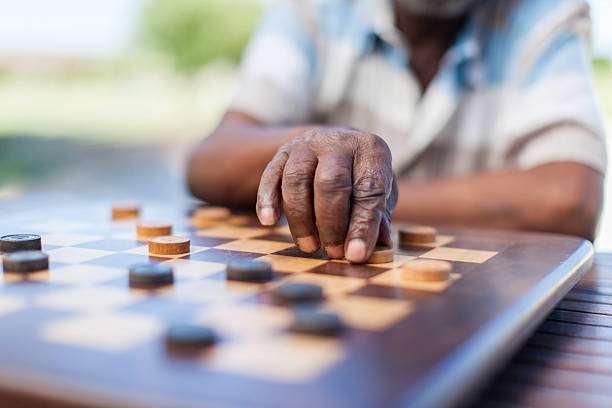
Chess boards used in royal courts typically held significant symbolic meaning in terms of materials and craftsmanship. Solid wood chessboards , those inlaid with ivory, decorated with gold and silver, and adorned with gemstones not only reflected the level of craftsmanship but also the economic power and cultural taste of the royal family. The exquisite craftsmanship and rarity of the materials used in chessboards became important indicators of status and power.
chessboard materials in royal settings extends beyond visual and tactile experiences; they also resonate with psychological and cultural perceptions. Luxurious chessboards enhanced the ritualistic aspect of chess games, transforming the game into a stage for the display of power and wisdom. Through material selection and design style, chessboards embodied multiple values—royal culture, symbolism of power, and artistic aesthetics—becoming an integral part of court life.
VII. The Influence of Chess Boards on the Development of Court Strategy Thinking
In the royal court, the chess board served not only entertainment and social functions but also profoundly influenced the development of strategic thinking. Through chess simulations and interactive thinking training, court members were able to transfer their experience in offense and defense, resource allocation, risk management, and overall strategy from chess games to actual political and military decision-making. As a simulated strategy arena, the chessboard allowed monarchs and nobles to practice judgment, patience, and psychological control in a safe environment.
chessboard training, win/loss analysis, variation deduction, and tactical review not only improved chess skills but also shaped the logical thinking patterns and decision-making styles of court members. Long-term honing of strategic abilities on the chessboard endowed royal members with greater predictive and decision-making abilities when facing court power struggles and diplomatic affairs. The chessboard thus became an important tool for court strategy education, creating a historical intertwining of chess skills and political wisdom.
VIII. The Cultural Code of Chess Boards in Court History
chess boards in royal courts have made them a repository of historical and cultural codes. Chess games not only record intellectual contests but also reflect power structures, cultural aesthetics, educational philosophies, and diplomatic strategies. By studying the materials, designs, layouts, and usage scenarios of historical court chessboards , we can gain insights into the political culture, educational models, and social values of royal families in different eras.
a chess board carries cultural metaphors and strategic symbolism. The king and queen, the castle, the knights, and the pawns are not merely elements of the game; they represent social structures, military strategies, and the wisdom of governance. Through the use and display of chessboards , the royal court organically combined power and wisdom, strategy and culture, education and social interaction, forming a unique historical code that provides rich clues for modern chess research and cultural understanding.
IX. Conclusion: The historical intertwining of chess board , power, and chess skills
chessboards in royal courts included symbolism of power, intellectual education, diplomatic exchange, and social entertainment. Through these uses, chess boards were not merely tools for play, but also platforms for strategic training, cultural dissemination, and the symbolism of power. The materials, craftsmanship, layout, and usage of royal chess boards all reflected the intertwining of wisdom and power, making chess not just a skill, but also a carrier of culture, politics, and history. Studying the uses and significance of royal court chessboards can help us understand the deeper logic of the interaction between chess and power, revealing the continuation of historical wisdom and cultural codes.
FAQ
What is the difference between
a royal chessboard and a regular chessboard ? Royal chessboards are typically made of high-end materials, exquisite craftsmanship, and symbolic design. In addition to their chess function, they also carry symbolic power, cultural value, and educational purposes.
Question 2: How exactly was chess board used in court education?
Court members used chess games to simulate war strategies, territory management, and resource allocation, training their logical thinking, judgment, and decision-making abilities, while also cultivating strategic awareness and psychological control.
Question 3: What role did chessboards play in court diplomacy? As a tool for cultural exchange and non-verbal communication,
chessboards demonstrated intelligence and strategy through interactive games, eased the atmosphere of negotiations, and conveyed respect and friendship by gifting exquisite chessboards , while also implying political strategies.