
5 practical tips to prevent scratches on your chess board : Extend its lifespan
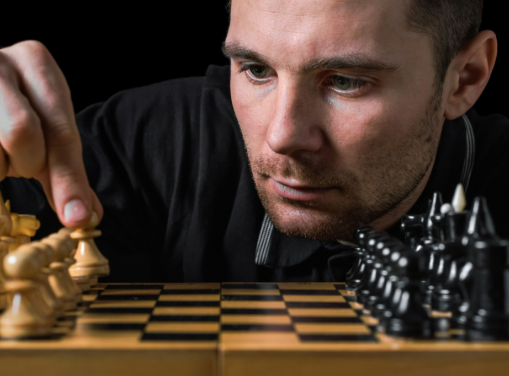
Chess is a globally renowned ancient game that not only tests intelligence but also often serves as an art form, integrated into many family and social settings. The chess board, as one of the most important components of chess, bears witness to countless moments of intellectual clashes. However, with frequent use, chess board inevitably develop scratches, affecting not only their appearance but also potentially the course of the game. Especially with high-quality chess board, scratches and wear often shorten their lifespan. Therefore, effectively preventing scratches and extending the lifespan of chess board has become an important issue for every chess enthusiast and collector.
In this article, we will explore five practical tips that can not only help you reduce wear and scratches on your chess board, but also keep it in good condition during daily use, ensuring it can accompany you through many more exciting games.
1. Keep the chess board clean to prevent the accumulation of dust and sand.
Most chess board, especially chessboards , are susceptible to the intrusion of fine particles such as dust and sand. Although these particles may seem insignificant, they can cause scratches on the surface of the chess board when they rub against the pieces. The accumulation of dust and sand on the chess board surface not only damages its shine but can also unintentionally accelerate the wear and tear process while you play.
1.1 Clean the chess board regularly with a soft cloth.
Regularly cleaning the chessboard is the first step in preventing scratches. Use a clean, soft cloth to gently wipe the surface of the chessboard. Do not use harsh cleaning tools, as they may cause scratches. It is best to choose a microfiber cloth, which effectively absorbs dust without scratching the surface.

1.2 Clean up your desktop environment regularly
Besides keeping the chess board clean, maintaining a clean tabletop is also crucial. Dust and small particles often accumulate under and around the chess board, especially when it’s been sitting on the table for an extended period. Before and after each use, check the surrounding area to ensure there are no sand or hard objects scattered on the table. You can use a vacuum cleaner or specialized cleaning tools to ensure the tabletop remains clean.
1.3 Prevent external objects from contacting the chess board
Avoid placing the chessboard directly on surfaces that may come into contact with hard objects, such as metal objects or plastic bags. These items may contain small particles or hard materials that can easily scratch the surface of the chessboard .
2. Use protective pads to reduce wear and scratches.
During use, the chess board inevitably rubs against the chess pieces and the table surface, especially during intense games when the surface pressure is often greater. If the chess board comes into direct contact with a hard surface, marks can easily be left underneath. To prevent this, consider using a protective pad to insulate the chess board from contact with the table surface.
2.1 Choose a suitable protective pad
The purpose of a protective mat is to cushion the chess board, reducing the chance of direct contact with hard objects. When choosing a protective mat, ensure it is made of a soft and elastic material that can effectively reduce friction between the chess board and the table surface. Common protective mat materials include rubber mats, soft leather mats, and some high-density foam materials. These materials effectively absorb friction and prevent scratches.

2.2 Regularly inspect and replace protective pads.
Over time, the material of the protective pads may age due to frequent use. Therefore, regularly check the condition of the protective pads to ensure they provide adequate protection. If the protective pads become thin, hard, or severely worn, replace them promptly to ensure the chess board is always optimally protected.
Compatibility between pads and chess board
Different chess board materials (such as wood, glass, and plastic) require different protective pads. For example, chess board may need softer pads to avoid scratches, while hard chessboards such as glass or marble may require a thicker protective layer. Therefore, when purchasing protective pads, you should choose the appropriate product based on the material of the chessboard and your actual usage.
Third, avoid frequent moving to reduce unnecessary friction.
Although chess board are sturdy, frequent moving or sliding on the table, especially when not placed on a protective mat, can easily cause scratches. In particular, if the surface coating of a chessboard is damaged by friction, it may cause color changes, affecting its overall appearance.
3.1 Fix the position to prevent sliding.
To reduce movement and friction, it is recommended to keep the chessboard in a location where it is not frequently moved when using it. You can choose a dedicated chessboard table or place the chessboard on a stable surface to avoid repeated movement while playing. This not only prevents scratches but also ensures that the chessboard is always in the same position each time it is used.
3.2 Handle the chessboard with care when using it.
Avoid using excessive force when handling the chessboard. Handling it gently reduces the chance of friction between the chessboard and other items, and also avoids scratches caused by collisions. In particular, when disassembling the chessboard, avoid pulling it up directly or flipping it forcefully.
3.3 Consideration of chessboard storage
If you don’t plan to use your chessboard frequently , consider storing it in a dedicated box or bag to reduce the risk of damage from external factors. You can also add padding around the board during storage for extra protection.

IV. Regular maintenance to prolong the gloss of the chessboard surface
Like cars and furniture, chessboard surfaces require regular maintenance. Chessboards , in particular, can lose their shine over time, and the wood may crack or discolor. Therefore, regular maintenance helps maintain a good appearance and extends the lifespan of the chessboard.
4.1 Waxing and oiling
For chessboards , using professional wood wax or oil can effectively maintain their shine and provide a protective film on the surface, reducing scratches and wear. Waxing doesn’t need to be too frequent; once every 3-6 months is generally sufficient. When waxing, choose a harmless wax specifically designed for chessboards and avoid products containing chemicals.
4.2 Avoid exposure to sunlight.
Ultraviolet rays in sunlight can accelerate the aging of wood, causing chessboards to fade or crack. Therefore, avoid exposing the chessboard to direct sunlight for extended periods. It’s best to store it in a cool, dry environment.
4.3 Avoid using chemical cleaning agents during cleaning.
When cleaning the chessboard, avoid using strong chemical cleaners, as these can damage the surface coating, causing scratches and fading. Instead, choose a specialized wood cleaner or wash with mild soapy water and then dry with a soft cloth.
V. Avoid improper use and reduce external damage.
Besides natural wear and tear, improper usage habits can also cause scratches on a chessboard. For example, placing heavy objects on the chessboard or dragging the pieces forcefully.
5.1 Avoid placing heavy objects directly on the chest board .
Do not place heavy or sharp objects directly on the chessboard , especially high heels, metal tools, etc. These items can not only scratch the board but also accelerate the wear and tear on the board’s surface coating. Avoid performing any other actions on the chessboard and concentrate on playing the game.
5.2 Use dedicated chess pieces
To reduce friction on the chessboard, it’s best to use dedicated chess pieces rather than those made of rough materials or with uneven bottoms. Poor-quality pieces may scratch the board surface, especially if their bottoms are not smoothed.
The chess pieces.
5.3 Pay attention to the corners and edges of the chessboard.
The corners and edges of the chessboard are usually the most prone to wear and tear, especially during frequent moving or use. If you notice signs of wear on the corners, you can reinforce them with soft protective pads or dedicated corner protectors.
Summarize
A chess board is more than just a tool for playing chess; it’s a work of art, embodying the wisdom and emotions of its players. Therefore, careful care and maintenance of your chessboard can extend its lifespan and preserve its unique charm that accompanies you through every exciting game. From keeping it clean and using protective pads to regular maintenance, each technique plays a vital role in daily use, helping you maintain a chessboard that looks brand new for a long time.
Whether you’re a beginner or a seasoned chess enthusiast, careful maintenance and preventative measures will ensure your chessboard accompanies you through many more intellectually stimulating moments. With proper use and care, your chessboard will not only remain aesthetically pleasing but also enhance your chess experience.
Start using these practical tips now! Simple measures like regular cleaning, using protective pads, and avoiding undue friction can extend the life of your chessboard. If you haven’t yet chosen the right care products for your chess board, or want to give it extra protection, take action now. Visit our specialty store to purchase the perfect care products for your chessboard, adding an extra layer of protection to ensure it can accompany you to your best performance in every game to come.