
Chess board time management techniques: 4 secrets to improving game efficiency
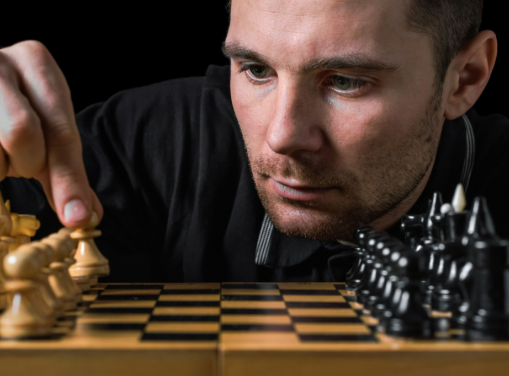
In chess board, time management is a crucial factor influencing victory or defeat. Whether in formal competitions, club games, family games, or online games, the proper use of time management techniques can not only improve playing efficiency but also help players remain calm and focused in complex situations.
For players who enjoy playing with timed chess boards, mastering time management skills is crucial. In the heat of a game, skillful time management allows players to save valuable time at every critical moment. This saved time is like ammunition on a battlefield, giving players more room for thought and decision-making in subsequent moves, significantly increasing their chances of victory.
I. Mastering Time Allocation in the Opening Phase chess board
The opening phase is a crucial stage in chess where players are actively thinking and determine the subsequent layout. Many beginners tend to spend too much time in the opening, which can lead to time constraints in the middlegame and endgame, and also disrupt the overall pace of the game. Therefore, mastering a reasonable allocation of opening time is the first secret to improving game efficiency.
In the opening phase, familiarity with and mastery of standard opening patterns are crucial. By mastering classic opening variations, players can quickly establish their pieces, avoiding wasted time thinking on common positions. For example, for White, mastering basic openings like the Italian Opening, Sicilian Defense, or Carocan Defense allows for rapid setup within the first ten moves, without having to calculate from scratch for each move. This saves time and allows for more strategic thinking in the later middlegame chess board.
Furthermore, in the opening phase of the game, time management also encompasses the important aspect of psychological adjustment. Players must avoid becoming overly cautious in the opening, as this can easily lead to spending too much time on each move’s decision.
Players need to learn to allocate their thinking time wisely for each move, ensuring that every move on the chess board is both safe and efficient, avoiding obvious mistakes and wasting precious time. By scientifically and effectively managing time in the opening phase, players chess board can maintain ample time reserves throughout the middle and endgame. This allows for more in-depth analysis and reflection when facing crucial situations, giving players a wider range of decision-making options.

II. Optimize mid-game thinking efficiency
The middle game is typically the most complex and dynamic phase of a game. During this stage, players not only need to calculate multiple possible moves, but also assess the strengths and weaknesses of the position, control the center, and formulate attacking or defensive strategies. The efficiency of middle game thinking directly impacts the speed of the game and the final outcome; therefore, mastering methods for optimizing middle game thinking is crucial.
A key method to improve mid-game thinking efficiency is hierarchical thinking. Players can divide the mid-game situation into two parts: a tactical level and a strategic level. The tactical level focuses on specific piece actions, such as combined attacks, controlling opponent’s pieces, or defending key points; the strategic level focuses on the overall situation, such as controlling the center, pawn structure, and kingside security. By thinking in layers, players can quickly determine the priority issues in the current game, thus saving time and avoiding the pitfall of over-calculating every move.
Furthermore, among the many ways to improve mid-game efficiency, mastering classic tactics and position patterns is undoubtedly a crucial method. Classic tactics and position patterns embody the countless experiences and wisdom of predecessors, representing the essence refined through long-term practical testing. Through targeted and systematic training on common mid-game patterns, players can gain a deep understanding of the characteristics, evolutionary patterns, and corresponding strategies for these patterns. In this way, when players face similar situations in actual games, they can quickly identify the hidden threats and opportunities based on their accumulated experience chess board.
Unlike beginners who need to perform complex calculations and analyses from scratch for every move, players can quickly identify and respond to situations. This ability not only significantly improves a player’s operational speed in the mid-game, allowing for more efficient placement and development, but also effectively reduces time pressure. In this crucial mid-game phase, time is extremely precious; every second of decision can influence the final outcome. When players don’t need to spend excessive time thinking about each move, they can more calmly handle various situations, maintaining a stable rhythm and methodically advancing the game chess board.
III. Time Strategies in the Endgame
The endgame is one of the most time-critical phases in chess. As the number of pieces decreases, the situation becomes increasingly complex, and every move can determine the final outcome. Players need to employ more precise and scientific time management strategies in the endgame to ensure the best decisions are made within the limited time available.
In the endgame, familiarity with basic endgame techniques and typical winning/losing patterns is crucial. For example, rook and pawn endgames, king and pawn versus king endgames, and minor piece endgames are all frequently occurring endgame types. By mastering these endgames, players can quickly determine the optimal move in actual games, saving significant time. Compared to calculating each move on the fly, experience and pattern recognition can significantly improve decision-making speed.
Furthermore, strategically utilizing the remaining time on the timer is crucial. In the endgame, if time is plentiful, players can carefully calculate each move; if time is limited, they should prioritize key moves and avoid getting bogged down in small, non-essential moves. Learning to allocate time and focus on critical situations in the endgame is a key to improving efficiency and maintaining composure.

IV. Make flexible use of timing tools chess board
In modern chess board competitions and training, the timer board is an indispensable tool. Skillful use of the timer not only helps players manage their time but also improves their mental fortitude and operational efficiency. There are four key aspects to consider when using a timer: choosing the appropriate time control mode, mastering time addition and subtraction strategies, learning psychological control, and rationally allocating time for each move.
First, choosing the right time control mode is crucial. Different types of games may employ different time control methods, such as Blitz, Blitz, or Standard Tournament, each with varying time management requirements. Players should select the most suitable mode based on their own habits and the type of game to maximize time efficiency in actual gameplay.
Secondly, mastering the timing strategy is a crucial means of improving efficiency. Modern timers typically allow for adding seconds, such as increasing the number of seconds for each move. Players should make good use of this mechanism to save time in the opening and middle game, and to fully utilize the extra time for thinking in critical situations. By scientifically applying the rules of adding seconds, time pressure can be effectively alleviated, and mistakes caused by tension can be avoided chess board.
Furthermore, psychological control is also a crucial aspect of using timers. Timers not only record time but also exert psychological pressure. Familiarity with time management and self-regulation allows players to remain calm under pressure and allocate their thinking time effectively for each step. Through simulated match training, players can improve their thinking efficiency within a limited time, reducing anxiety and mistakes chess board.
Finally, allocating time wisely for each move is equally important. Adopting different strategies at different stages—such as a rapid opening, focused tactical calculations in the middlegame, and cautious decision-making in the endgame—ensures players maintain an efficient pace throughout the game and maximizes their chances of winning. By flexibly using timers, players can manage time effectively in various situations, thereby improving their game efficiency chess board.

V. Summary
By mastering four key principles—opening time allocation, optimizing mid-game thinking, rationally planning endgame strategies, and flexibly utilizing timers—players can significantly improve their game efficiency. In the opening phase, familiarity with classic openings and patterns can save considerable time; in the mid-game, layered thinking and identifying positional patterns can increase operational speed; in the endgame, mastering typical positions and remaining time strategies ensures accurate decision-making; and flexibly using timers helps with psychological control and time management.
Reasonable and precise time management plays a crucial role throughout the entire operation. It’s not merely about improving efficiency; it’s more like an invisible mentor, guiding players to maintain a calm mind and high focus in complex and ever-changing situations. In tense situations, proper time allocation acts like a calming agent, allowing players to perform each step methodically, thus greatly reducing errors caused by time pressure. These errors might be hasty, poorly made decisions or crucial information overlooked in the chaos.
Whether in a warm and cozy family setting, where friends gather for a relaxed and enjoyable game on the chess board; or in a competitive club match where players fiercely compete to hone their skills and improve themselves; chess board or in a solemn and serious formal competition where players give their all for honor and victory—in all these different contexts, mastering scientific time management skills is like possessing a key to success. It helps players perform at their best on the small battlefield of the chess board . It allows players to better plan each move, make the most of limited time, and showcase their wisdom and strategy.
Through consistent and persistent training and diverse practice, players can gradually develop a stable and effective time management habit. This habit becomes ingrained in their very being, an instinctive reaction during gameplay. Once this habit is formed, each game becomes smoother, like a flowing river without any obstacles; more professional, like a seasoned master delivering a brilliant performance; and more efficient, achieving maximum results within a limited time.