
8 Tips to Prevent Scratch on Chess Board Plastic: Extend its Lifespan
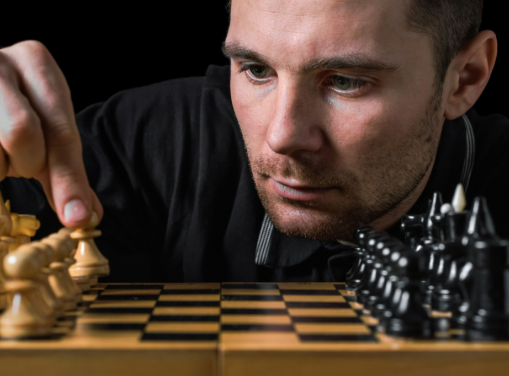
Plastic chess board are favored by students, beginners, traveling players, and many rapid chess enthusiasts due to their lightweight, moisture resistance, and resistance to deformation.
However, compared to wood or composite materials, plastic surfaces are more prone to scratches, fine lines, and signs of use, especially with frequent movement, rapid piece placement, carrying around, and friction against tabletops, making scratches almost inevitable. Many people are surprised to find that after a few years of use, the once smooth surface of their plastic chess board becomes covered with fine lines, even affecting the stability and visual visibility of the pieces, thus diminishing the playing experience. But in fact, with proper maintenance, plastic chess board can not only remain as good as new but also have a lifespan far exceeding what most people realize.
plastic chess board involve more than just careful use; they encompass material properties, surface coatings, cleaning methods, storage, and environmental control. To help everyone extend the lifespan of their plastic chess board, this article delves into eight practical and scientific techniques to prevent scratches and maintain a smooth, glossy, and playable surface. The following narrative unfolds sequentially, helping you fully understand the weaknesses of plastic chess board in practical use and providing targeted solutions.
Hidden wear and tear caused by hard desktops
Many users of plastic chess board often overlook the wear and tear caused by the tabletop material. While plastic chess board may seem lightweight and harmless, repeated placement on rough wooden, metal, particleboard, or textured surfaces causes microscopic scratches with every slight movement. The friction between the bottom of the chessboard and the tabletop is almost imperceptible to the naked eye, but over time, this can result in large, hazy scratches on the bottom of the board, even extending upwards and affecting the edges.
To avoid scratches on the tabletop, the most important thing is to create a softer buffer layer between the chessboard and the surface. While this may seem like a simple physical barrier, it has a decisive impact on extending the chessboard’s lifespan.
Many players find their chess board covered in scratches after only a few months of use, without fully understanding why. A softer contact surface provides a sense of stability both psychologically and tactilely, and offers effective physical protection. Whether at home, in a competition setting, in a cafe, or outdoors, avoiding direct contact with hard surfaces will significantly slow down the rate of scratching.

Beware of reverse scratches caused by worn edges
plastic chess board is actually the chess pieces themselves. When the felt on the bottom of the pieces comes loose, wears down, or hardens, it can directly scratch the board squares when the pieces are moved.
Especially in rapid chess, Blitz, or Bullet games, where the pieces move quickly and exert a lot of pressure, any flaws in the piece base can leave marks on the board surface. Many chess players are even surprised to find that the scratches on the chessboard come from their own pieces, making checking and maintaining the piece base an important step in protecting the chessboard.
Keeping the chess piece bases smooth and clean effectively reduces the chance of scratches. As long as the bottoms of the pieces are soft, without rough edges or bumps, the chessboard surface will remain smooth during use. For plastic chess board, the treatment of the piece bases is even more important than for wooden boards because plastic is softer and more easily scratched by hard objects. By maintaining the condition of the piece bases, you not only protect the chessboard but also improve the feel of placing pieces, making the entire game smoother.
Clean surfaces gently and regularly.
Seemingly harmless dust is actually one of the biggest culprits behind the wear and tear on plastic chess board . Tiny particles on the surface are pressed into the chessboard by the pieces when they are placed, creating fine scratches that are usually particularly noticeable under strong light. These scratches accumulate over time, causing the chessboard to lose its luster and even develop uneven reflections, affecting the visual experience of playing. Therefore, gentle and proper cleaning procedures are crucial.
Warm water and a soft cloth form the safest combination, removing dust and sweat without causing any chemical damage to the plastic. A moderate cleaning rhythm can significantly slow down the accumulation of scratches. The key to cleaning plastic chess board is not frequency, but method. Proper cleaning prevents microparticles from becoming a source of scratches, allowing you to protect the chessboard’s appearance and smoothness during daily maintenance, making it more durable and suitable for long-term training and competition.

To avoid friction between the chess board
Many scratches on plastic chess board actually originate from storage, not during gameplay. This is especially true for folding chess board; if small particles or pieces of paper are trapped inside, folding them will create wrinkles and scratches. Furthermore, if the chessboard isn’t kept in a fixed place in a bag, constant friction with other items during transport will also cause random small scratches. Improper storage causes far more damage to plastic chess board than use itself, so developing good storage habits is crucial for extending their lifespan.
Stable storage not only protects the chessboard from external pressure but also reduces creases and surface scratches. This stability extends to a psychological level; when the chessboard looks brand new, you’re more willing to use it for training, leading to a better long-term learning experience. Storage techniques are often overlooked, but they are actually a crucial aspect of scratch protection for plastic chess board.
Avoid high-temperature environments: This prevents the surface from softening and becoming easily scratched.
Plastic chess board are far more sensitive to temperature than wooden or composite chess board. When a chessboard is exposed to high temperatures, such as inside a car in direct sunlight, on a hot outdoor table, or under scorching lights, the surface will soften slightly, making the plastic more susceptible to scratches. Many people find that their chess board suddenly develop fine lines more easily after using them in hot environments because the material’s structure is temporarily weakened under high temperatures.
Avoiding high temperatures is crucial for plastic chess board , as temperature affects not only scratch resistance but also overall flatness. Thermal expansion and contraction can cause the chessboard to bend slightly, creating irregular pressure points and leading to more frequent scratches. A stable temperature environment allows the chessboard to maintain optimal rigidity, making it more durable and less susceptible to damage from accidental friction and external forces.
Reduce point pressure and drag wear on the surface
Many scratches originate from the way pieces are placed, especially in fast-paced games where players, under pressure, forcefully push the pieces, causing the bottom edge to press against the board surface and leave scratches. Plastic is more prone to scratches if the placement is heavy and fast, as its surface hardness is insufficient to withstand strong pressure. Controlling the force of placement and changing pushing habits can not only protect the board but also improve the stability of piece handling.
Lightly pressing down on the pieces not only reduces wear and tear but also makes the game more elegant and rhythmic. Many professional chess players emphasize that “the sound of a piece hitting the board reflects your state of mind.” A gentle sound symbolizes calmness and confidence, while a heavy sound often comes from tension and impatience. By improving your piece-placing technique, you can not only extend the life of your chessboard but also make your playing style more composed and precise.

Apply a suitable protective layer to the surface
Many people apply screen protectors to their electronic devices, but few consider the same for their chest boards . In fact, a clear protective film can be very effective at reducing contact wear on plastic chest board surfaces. The protective layer can be a thin film, a soft plastic sheet, or even a non-slip cloth, and can be either fixed or removable depending on the usage scenario.
The protective layer not only absorbs scratches from hard objects but also reduces friction between the chess piece base and the chessboard , keeping the surface smooth. This is especially suitable for people who frequently carry their chess board. The protective layer is also replaceable; when the surface shows wear, you only need to replace the protective layer, rather than bearing the loss of the chessboard itself.
Regularly check for minor scratches and address them promptly.
plastic chess board are often not noticeable at first, but with use, the fine lines will trap more dust, making the scratches deeper and wider. Regularly inspect the chessboard surface, and when you find early minor scratches, you can reduce their spread by gentle cleaning, micro-polishing, or surface moisturizing to prevent the scratches from worsening.
Repairing minor scratches can extend the overall lifespan of the chessboard, because the more intact the surface structure, the less likely dust and friction will accumulate in localized areas. When you feel the chessboard becoming increasingly rough during use, it usually means that wear and tear is accelerating. Timely repair can restore the smoothness of the chessboard, making piece movement smoother and allowing you to enjoy the game more.
Conclusion
Plastic chess board are far more durable than people realize. With the right methods, they can remain smooth, durable, and perfectly flat for extended periods. Scratch protection isn’t just about aesthetics; it’s also crucial for maintaining a feel for the game, extending equipment lifespan, and enhancing the overall gaming experience.
By employing eight techniques—including controlling table contact, maintaining the chess piece base, proper cleaning, stable storage, avoiding high temperatures, improving placement techniques, using a protective layer, and promptly addressing minor scratches—you can extend the lifespan of your plastic chessboard several times over, making it your most reliable partner for practice, matches, and travel. By cultivating these habits, your plastic chess board will maintain a near-new feel even after prolonged use, resulting in better training quality and a more enjoyable chess-playing experience.