
2 blindfold chess training modes on the chess board : core methods to break through the limits of memory.
I. The Concept and Importance of Blindfold Chess Training
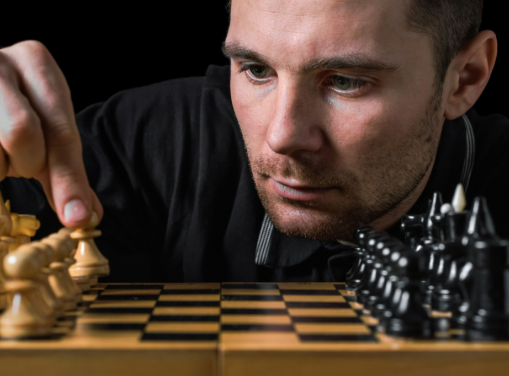
Blindfold chess training is an advanced method within the chess training system. Its core objective is to enable players to complete games without relying on the actual chess board and pieces.
This training model not only develops spatial memory, logical reasoning, and strategic planning abilities but also significantly enhances a player’s psychological qualities and decision-making agility. In traditional chess education, the chess board and pieces are the primary means of visual and tactile reliance. However, blindfold chess training, by removing direct sensory assistance, forces players to reconstruct the chess board layout in their minds, thereby developing a highly abstract strategic thinking pattern.
The importance of blindfold chess training lies in its elevation of chess skills from the operational level to the cognitive and memory level, enabling players to maintain high concentration and clear judgment in complex situations.
This training model is particularly important for professional players and advanced chess enthusiasts because the pace of change on the chess board is extremely fast in high-level games, requiring players to quickly simulate multiple moves and possible variations in their minds to make optimal decisions. Blindfold chess training not only improves memory but also enhances mental resilience and attention control, making players more composed under pressure and in complex situations.

II. Overview of Two Blindfold Chess Training Modes
Blindfold chess training is mainly divided into two modes: single-player visual training and two-player blindfold chess training. These two modes each have their own characteristics and play different roles in pushing memory limits and improving strategic abilities.
- Single-player visual training focuses on the player’s individual memory and spatial reconstruction abilities. By simulating the complete chess board and possible variations in the mind, it trains the player’s long-term memory of the chess board layout and logical thinking.
- Two-player blindfold chess training, on the other hand, further enhances memory endurance, immediate deduction ability, and psychological resilience by actually playing against an opponent or giving verbal instructions. It also cultivates the player’s ability to complete strategic layouts without relying on visual information.
While single-player visualization training and two-player blindfold chess training differ in form, they share commonalities in terms of memory load, abstract thinking, and strategy simulation. Combining these two modes can systematically improve a player’s comprehensive ability from positional memory to overall strategic deduction, providing a complete methodology for advanced chess training. The following will analyze in detail the operational methods, psychological mechanisms, and core techniques for breaking through memory limits in these two training modes.
III. Single-person visual training mode
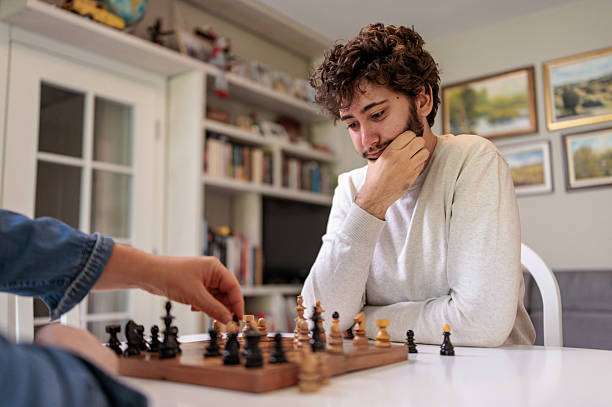
The core of the single-player visualization training mode lies in building a complete visual model of the chess board in the mind, and then simulating moves and analyzing strategies based on this model.
Players first need to familiarize themselves with the basic layout of the chess board, the grid markings, and the rules for placing pieces. Then, they gradually abstract the actual game into a mental image. During training, one can start with simple positions, such as retaining only some pieces or limiting specific tactics, and then gradually increase the complexity until the player can completely reconstruct the entire game in their mind.
The key methods of this model are partitioned memorization and progressive simulation.
- The chess board can be divided into several quadrants, with the piece layout in each quadrant memorized separately, and then the overall situation built up through mental connections.
- Progressive simulation requires the player to mentally simulate future moves and possible opponent reactions, constantly updating the mental image of each move.
This training greatly enhances working and long-term memory, while also developing the player’s ability to quickly analyze and make decisions in complex situations. Individual visualization training emphasizes self-control and concentration, making it suitable for daily training and strengthening strategic thinking.
In practice, the difficulty of individual visualization training can be gradually increased by adding chess board complexity, shortening simulation time, and introducing tactical themes. For example, players can mentally review classic games, memorizing chess board layouts and moves, and analyzing the strategic intent and potential variations of each move.
This not only increases memory capacity but also cultivates strategic insight, enabling players to identify key positions and potential threats more quickly in actual games. Visualization training emphasizes the combination of memory, logic, and abstract thinking, and is a fundamental method for breaking through the limits of memory.
IV. Two-player blind chess training mode
The core of two-player blindfold chess training lies in enabling players to complete a full game without visual aids. This is typically achieved through verbal announcements or a chess board that is obscured, forcing players to rely entirely on memory and mental imagery for judgment.
Initially, a standard chess board can be used, with players verbally indicating the positions of pieces (e.g., E2 to E4) and mentally updating the board position. As training progresses, game complexity and time pressure can be increased to train players to maintain memory stability and strategic clarity during high-intensity games.
Two-player blindfold chess training offers significant advantages in cultivating psychological resilience. Players must complete games under conditions of opponent interference, time constraints, and pressure, which not only trains memory but also strengthens focus and decision-making speed.
Training traditions also vary across countries. For example, Russia and Eastern Europe emphasize high-intensity blindfold chess training, often employing multi-round blindfold chess simulations to cultivate players’ mental accuracy in complex situations. India and parts of Asia, on the other hand, place greater emphasis on educational and phased training, gradually improving memory capacity and spatial awareness through step-by-step blindfold chess practice.
The two-player blindfold chess training mode also enhances strategic planning abilities. While memorizing the chess board layout, players need to predict their opponent’s moves, evaluate various tactical variations, and update the board position in their minds in real time.
This multi-task cognitive training is particularly effective in pushing memory limits, enabling players to maintain global awareness and strategic consistency in high-level games. The interactivity and instant feedback of the two-player mode also provide players with opportunities for practical testing and psychological reinforcement, making blindfold chess board training even more effective.
V. Core Methods for Breaking Through the Limits of Memory
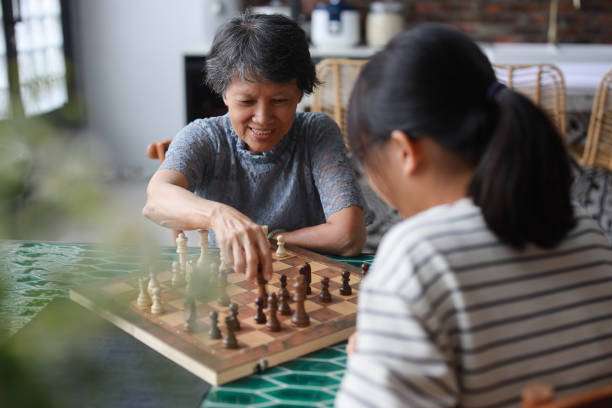
Pushing the limits of memory is a key objective of blindfold chess training. Its core methods include five aspects: mental imagery construction, partitioned memory, progressive simulation, tactical theme training, and psychological reinforcement.
- Mental imagery construction requires players to build a stable chess board model in their minds and be able to quickly identify the position of each square and piece.
- Partitioned memory divides the chess board into several areas, memorizing local situations separately and then integrating them into the global picture, thus reducing memory load.
- Progressive simulation emphasizes multi-move prediction and variation analysis, keeping the player’s mental view of the entire board updated.
- Tactical theme training improves the depth of a player’s memory of key positions through repetition of classic tactics, endgame practice, and strategy review.
- Psychological reinforcement enhances a player’s concentration and endurance under blindfold chess conditions through meditation, attention training, and stress simulation.
In single-player visualization training, mental imagery construction and partitioned memory are particularly important. Players can start by simplifying positions and gradually increase complexity, dividing the chess board into mental quadrants, and then achieving global memorization through progressive simulation. This method can significantly improve short-term and working memory capacity while enhancing strategic analysis capabilities.
In two-player blind chess training, tactical theme training and psychological reinforcement are even more crucial. Players must maintain accuracy in their mental imagery under the pressure of their opponent’s actions and time constraints, and be able to predict and respond to various variations from their opponent; this plays a decisive role in breaking through memory limits.
By combining these two training modes, players can develop a complete blindfold chess training system. Single-player visual training establishes basic memory skills and strategic thinking, while two-player blindfold chess training strengthens psychological resilience and immediate decision-making abilities. Through long-term systematic training, players can not only complete full games without visual assistance but also quickly identify opportunities and threats in complex situations, achieving a dual breakthrough in both memory and strategic limits.
VI. Cultural Differences in International Blindfold Chess Training
Cultural differences exist in blindfold chess training methods across different countries and regions. These differences are reflected not only in the choice of training models but also in training intensity, curriculum design, and psychological training methods.
- Eastern European countries, especially Russia, are known for their high-intensity blindfold chess training and multi-round simulated games, emphasizing long-term memory endurance and global deduction abilities.
- Western European countries tend to favor systematic curriculum design, gradually improving players’ memory abilities through phased training and tactical review.
- Asian countries have introduced blindfold chess training into their education systems, cultivating mental imagery and strategic thinking through progressive training in children and adolescents, laying the foundation for high-level chess development.
Cultural differences are also reflected in psychological reinforcement methods. Eastern European and Russian chess players emphasize extreme simulation and training under pressure to improve mental resilience and concentration; Western European and North American players combine meditation, attention training, and psychological counseling to make blindfold chess training more educational and sustainable; Asian countries emphasize teacher guidance and phased feedback in psychological training, reducing frustration and enhancing learning motivation through a gradual approach.
Therefore, blindfold chess training is not only about memory training, but also a reflection of cultural and educational philosophies.
VII. Conclusion: The Profound Connection Between Blindfold Chess Training and Chess Skill Development
Blindfold chess training utilizes two modes: single-player visual training and two-player blindfold chess training, systematically improving players’ memory, strategic abilities, and psychological resilience.
- Single-player training emphasizes mental imagery construction and global simulation.
- Two-player training strengthens immediate decision-making and mental resilience under pressure.
Core methods for breaking through memory limits include mental imagery construction, zone-based memorization, progressive simulation, tactical theme training, and psychological reinforcement; these methods form a complete blindfold chess training system. Differences in training models, intensity, and psychological reinforcement methods across different countries reflect the diversity of chess culture, educational philosophies, and developmental paths in chess.
Understanding the core methods and cultural differences in blindfold chess training helps players scientifically plan their training, improve their game skills and strategic abilities, and also provides a reference for chess education, international exchange, and psychological training. Through long-term, systematic blindfold chess board training, players can complete high-level games without visual dependence, achieving breakthroughs in both memory and strategic limits, truly elevating their chess skills to new heights.
FAQ
Question 1: Is blindfold chess training suitable for all chess players?
Blindfold chess training is more suitable for chess players with a certain foundation. Advanced chess players can significantly improve their memory and strategic thinking through blindfold chess training, while beginners can start with single-player visualization training to build a foundation.
Question 2: Which is more important, single-player visual training or two-player blindfold chess training?
They each have their own focus. Single-player training strengthens memory and strategic planning abilities, while two-player training strengthens immediate decision-making and mental resilience. Using them together yields the best results.
Question 3: How to gradually break through the memory limit in blindfold chess training?
It is recommended to start by simplifying the positions, memorizing them in sections and gradually increasing the complexity, combining progressive simulation, tactical theme training and psychological reinforcement to form a systematic training system, and gradually break through the memory limit.